
Questions to ask a web designer before you sign anything: what good and bad answers sound like
A practical list of questions to ask a web designer before you sign, with what a good answer and a bad answer sound like for each.
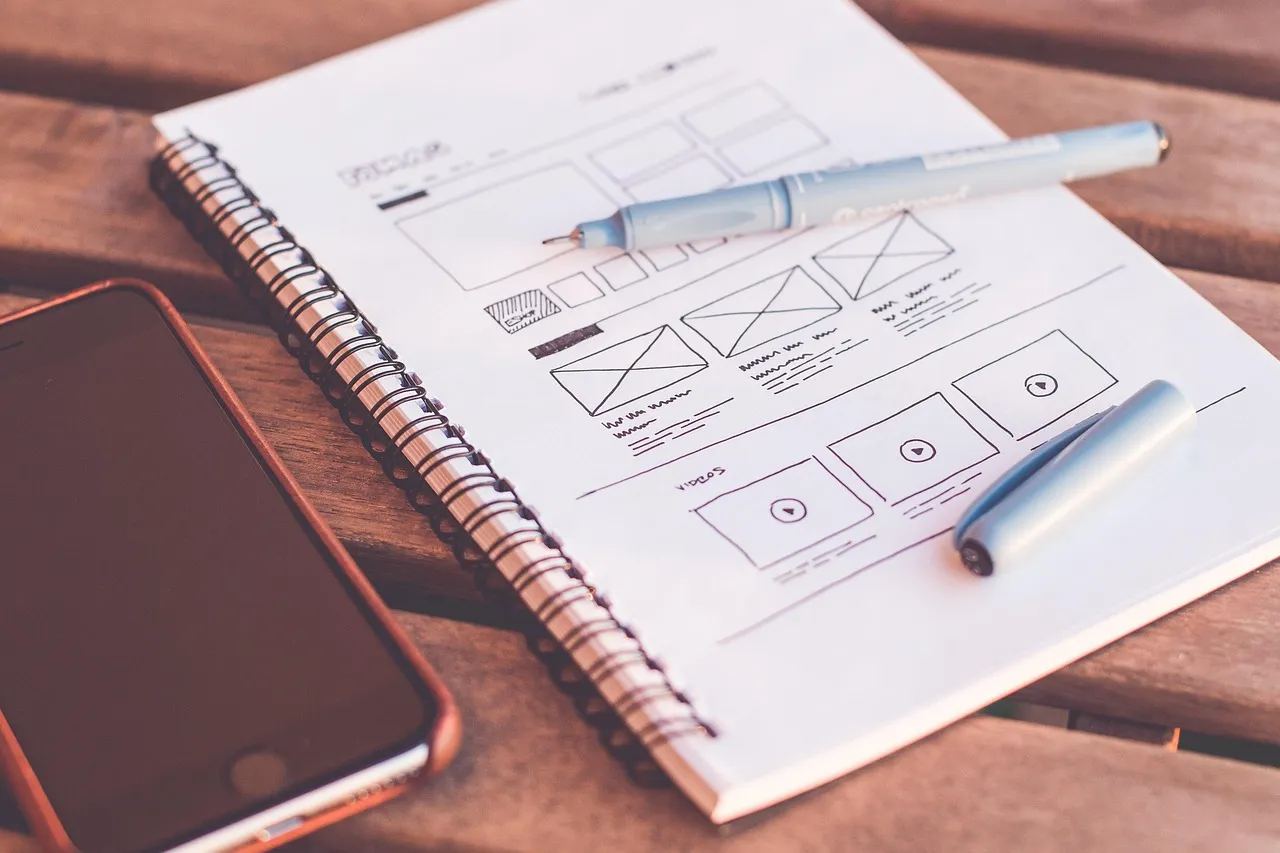
The questions to ask a web designer before you sign anything are the ones that pin down ownership, cost, timescale, accessibility and what happens after launch. A good designer answers each of them plainly, in writing, without hedging. A bad one changes the subject, quotes a number with no scope attached, or tells you not to worry about the technical bits. My advice is simple: get answers in writing before any money changes hands, because a vague answer now becomes a bill later.
I am the Managing Director at a UK web and software company, so I sit on both sides of this conversation. Below is the list I would want answered if I were buying, with the good and the bad answer for each. If you want to see the shape of what we build, our website design and build service sets out the offer.
Who owns the website and the domain name when the project ends?
Good answer: you own the domain, the content, the design files and the code, and the contract says so. Account details are registered in your name, not theirs. They will hand over passwords and access on request, and the site can move to another host without a rebuild.
Bad answer: the domain is registered to the agency, the code is their intellectual property, or you are told that moving would mean starting again. That is a hostage situation dressed up as a service. The NCSC's guidance on protecting your organisation is written for internal teams, but the principle applies: you cannot secure, or frankly control, what you do not own.
What does the price include, and what costs extra?
Good answer: a written scope, an itemised quote, and a clear statement of what is out of scope. Changes priced per round or per day. Hosting, the care plan, content writing, photography, stock images and third party subscriptions all named, with monthly and annual figures.
Bad answer: a headline figure with no scope, or a cheap build price that quietly excludes hosting and maintenance. Ask what the first twelve months cost in total, not just the build. Website care plans are a legitimate cost, not a trick, provided the price and the work are named up front.
What drives the cost of a website?
Cost is driven by the number of page templates, not the number of pages. A site with a homepage, a service page, a contact page and a blog template is a smaller job than one with a product catalogue, customer accounts and a booking engine. Extra drivers include e-commerce with stock and payments, integrations with your accounts or CRM, bespoke functionality, content production, and accessibility work.
For reference, our brochure websites start from £600 with a £100 per month care plan, online stores from £1,200 with a £150 per month care plan, and custom builds such as a custom CRM or online store with unusual rules are quoted. A custom build is priced by quote because the scope genuinely varies. Anyone who gives you a firm price for a complex site in a five minute call is guessing.
How will the site be tested before launch?
Good answer: a named testing stage, checking across devices and browsers, working through forms and payments, and checking accessibility against WCAG 2.2. They can explain what happens when a test fails and who decides that something is ready.
Bad answer: "we will test it". Testing is a stage with a checklist, not a vibe. Accessibility testing is now a proper expectation for UK sites, and the ICO's guidance for small organisations is a useful reminder that a site handling personal data, forms and cookies has legal obligations too.
What is your accessibility approach?
Good answer: a designer who can talk about WCAG 2.2 AA, keyboard navigation, colour contrast and alternative text, and who will check the finished site rather than promise it. They should know that accessibility is an ongoing practice, not a one time tick.
Bad answer: "we will add some alt text at the end". Accessibility added at the end is usually accessibility done badly.
How will the site be secured and kept up to date?
Good answer: a clear explanation of who patches the platform, who monitors it, how backups are taken, how two factor authentication is enforced on admin accounts, and what happens if the site goes down. If they hold Cyber Essentials certification, they can say so, and that is a helpful signal of basic hygiene. Varsuite holds Cyber Essentials certification. No certification guarantees security, so ask for the process as well as the badge.
Bad answer: "security is handled by the host". Ask who the host is and what they actually do, in writing.
What happens after launch?
Good answer: a named care plan with response times, what is covered (updates, backups, small changes, reporting) and what is billed separately. A sensible website care plan is priced and defined, not described as "maintenance".
Bad answer: silence, or a promise to "sort you out" informally. Unpriced support becomes unpriced invoices.
Who writes the content and supplies the images?
Good answer: clarity on whether copy is included, who writes it, how many revisions, and who owns the words afterwards. The same for photography and stock licences.
Bad answer: "just send us some text". Content left to the last minute is the most common reason websites slip past their go live date.
How long will it take, and what could delay it?
Good answer: a schedule with client dependencies named: content, images, feedback rounds and sign off. They should tell you honestly that their estimate assumes you respond on time.
Bad answer: "about six weeks" with no dependency list, no milestones and no discussion of what happens if content is late. Every delay I have seen on a build traced back to a dependency that nobody wrote down.
Can you see examples and speak to a current client?
Good answer: live sites they built, a description of their role on each, and a willingness to let you speak to a reference. Good designers are proud of the work, not defensive about it.
Bad answer: a portfolio of screenshots with no working links, or a refusal to offer a reference.
Will the site be built for search from the start?
Good answer: sensible structure, page titles, metadata, internal linking, clean URLs and a plan for content. They should explain that technical SEO is a foundation, not a marketing campaign.
Bad answer: "SEO is extra" when the build is already making technical choices that will hurt your rankings. If content marketing is part of your plan, our automated content marketing service covers copywriting and search optimisation as an ongoing activity.
What are your payment terms?
Good answer: staged payments tied to milestones, a written contract, a clear cancellation position and a named person responsible for the project.
Bad answer: a large deposit before scope is agreed, or pressure to sign today.
A quick comparison
| Question area | Good answer sounds like | Bad answer sounds like |
|---|---|---|
| Ownership | Everything in your name, handover in writing | Domain and code stay with us |
| Cost | Itemised scope, exclusions named | One number, no scope |
| Testing | Named stage, device and accessibility checks | We will test it |
| Security | Patching, backups, 2FA, response process | The host handles it |
| After launch | Priced care plan with response times | We will sort you out |
| Timescale | Schedule with client dependencies | About six weeks |
Where Varsuite fits, and where we do not
We use AI agents to design, build and test the work, and a human team reviews and perfects every detail before it ships. That model suits businesses that want a fast first draft and a careful finish, and it keeps cost sensible.
It is not right for everyone. If you need a large in house marketing team embedded with you daily, or you want to hand over a design system that a big internal department will run, a larger agency may fit better. If you want a cheap template site you set up yourself in an afternoon, our approach is more than you need.
The sensible next step
Write the ten questions above into a short message and send them to two or three designers. Compare the written answers side by side, not the sales calls. If you would like our answers, send us a message and we will reply in writing, or read more about how we build business websites and online stores.
Frequently asked questions
What should I ask a web designer about ownership?
Ask who owns the domain name, the code, the content and the design files after the project ends, and get it in writing. Account access should be in your name, and moving to another host should not require a rebuild.
How much should a website cost in the UK?
It depends on templates and functionality more than page count. As a guide, our brochure websites start from £600 with a £100 per month care plan, online stores from £1,200 with a £150 per month care plan, and custom systems are priced by quote.
Is a cheap website quote a bad sign?
Not always, but ask what the first twelve months cost in total, including hosting, care and content. A low build price with unnamed ongoing costs is the pattern to watch for.
Should I sign before I see a written scope?
No. A written scope, a schedule and a payment structure are the minimum before signing. If a designer cannot provide them, that is your answer.
Images from Pixabay
Mark is Managing Director at Varsuite. He came up through the managed-services world, looking after more than 300 businesses across the UK and overseas, and that deep knowledge of integrated systems k...
More from Mark WilkinsonGet The Signal
Practical notes on AI, websites and automation for UK businesses. One useful email at a time, unsubscribe whenever.
Varsuite is an AI-accelerated, human-perfected digital production company based in Rishton, Lancashire. Agents build, people perfect: websites, stores, software and AI automation.
Ready to put AI to work?
Let our agents design, build and manage it for you.